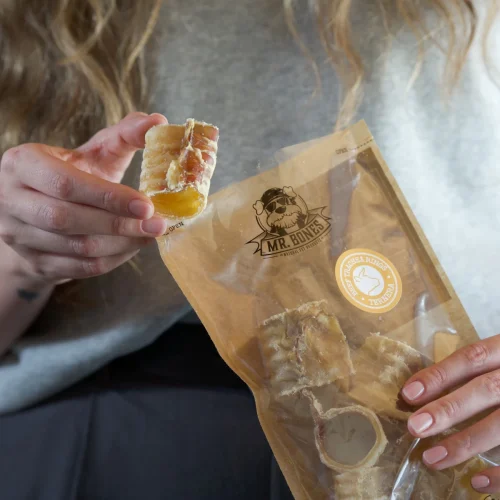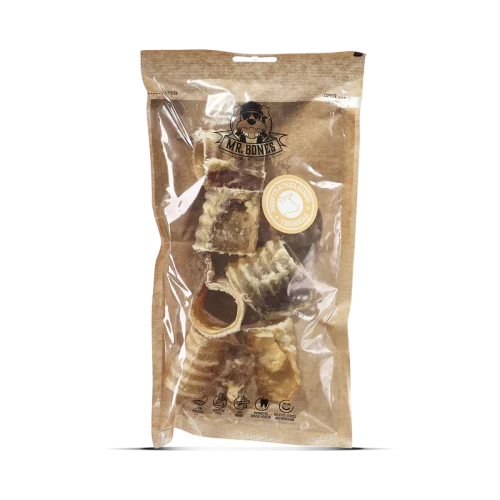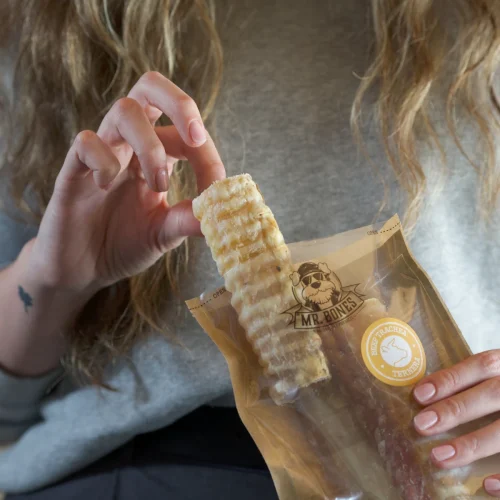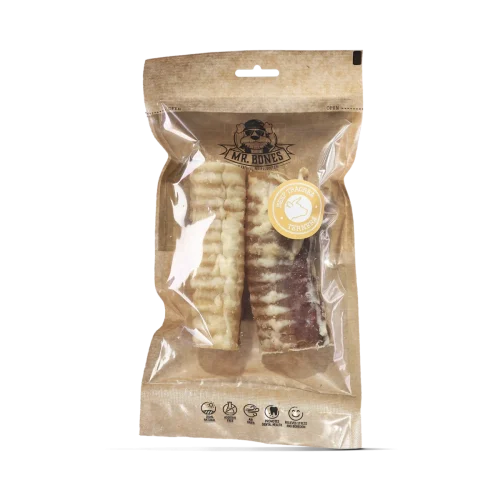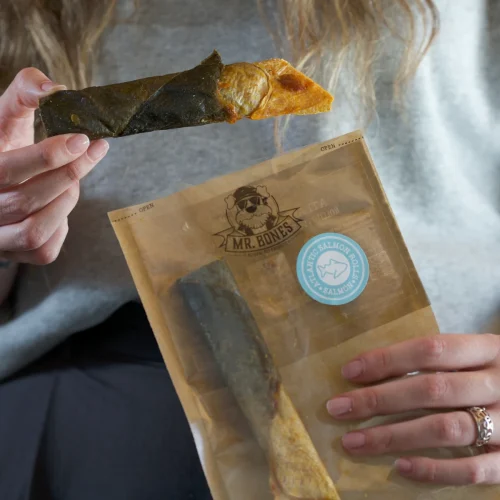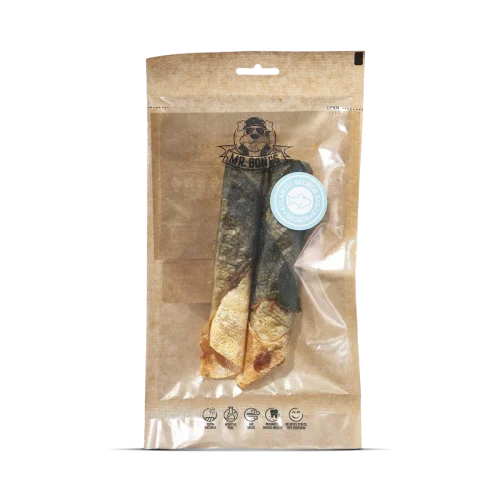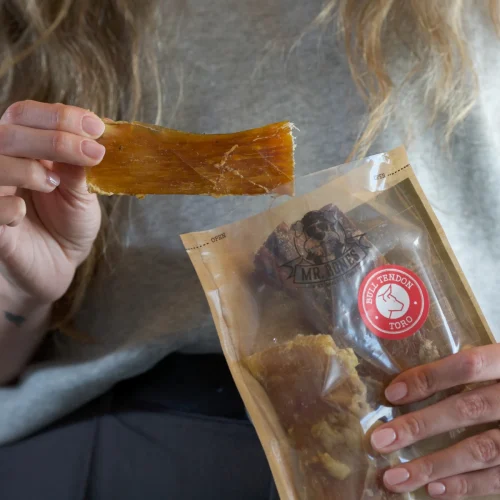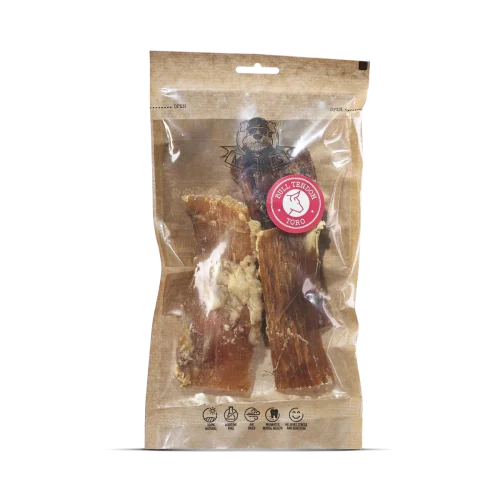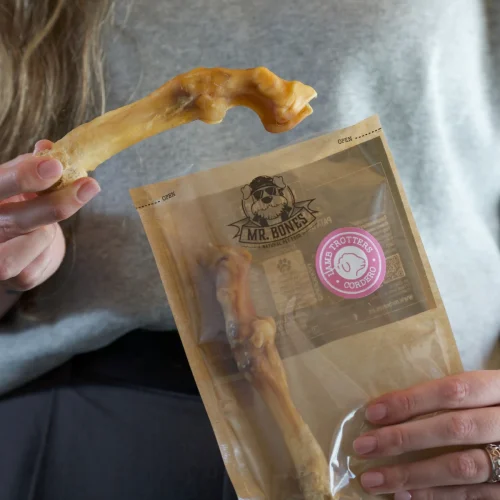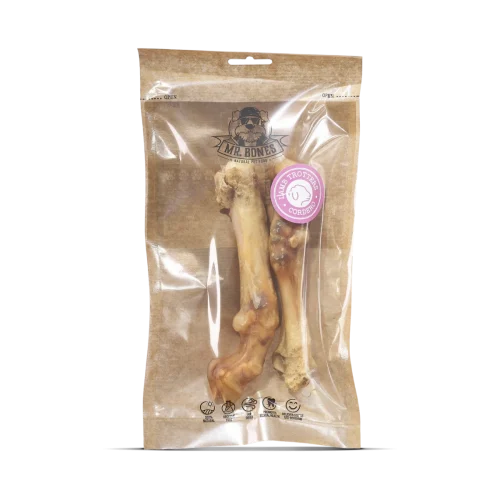
Snacks naturales para perros

Natural dog treats

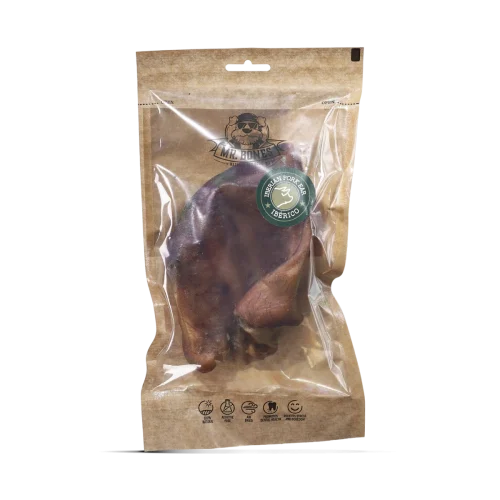
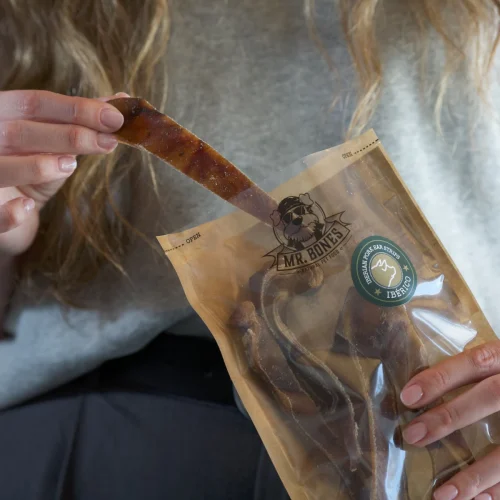
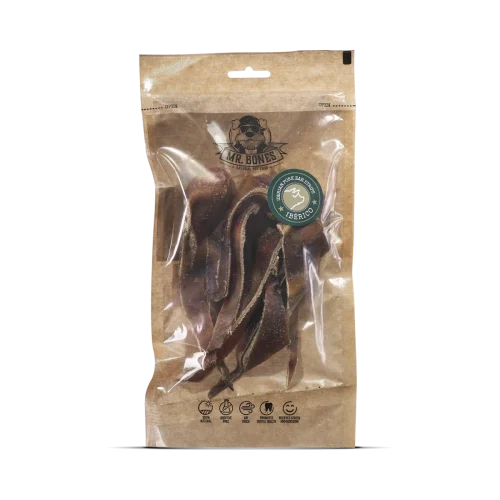
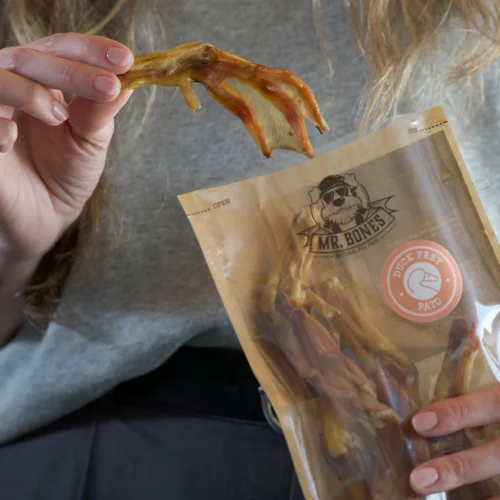
Natural dog chews and treats — and some for your curious cat too. A range of flavours, textures and levels of hardness for your pet to enjoy, chew on and keep them entertained.

Choose by hardness

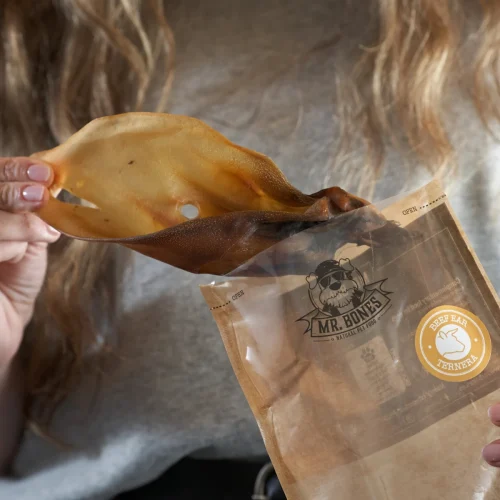
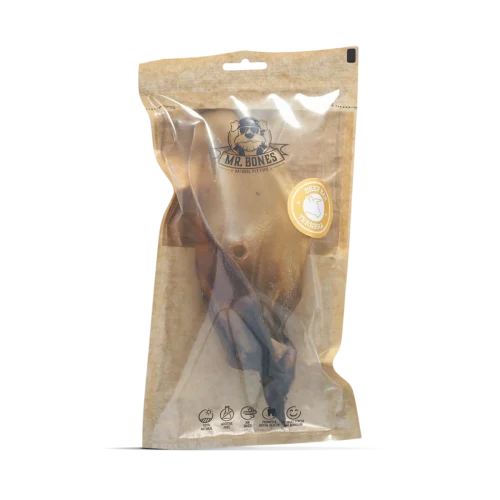
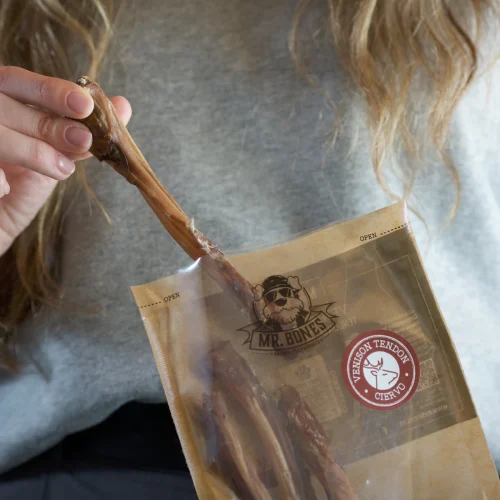
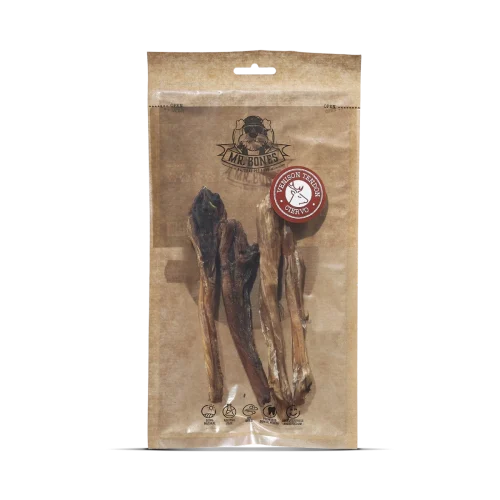
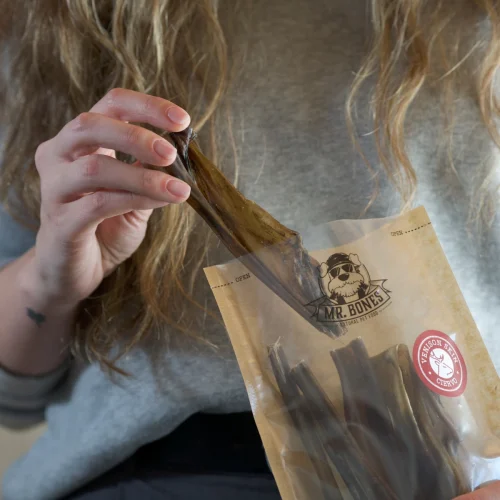
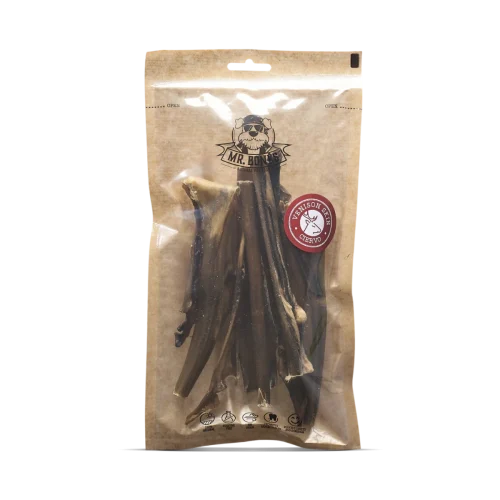
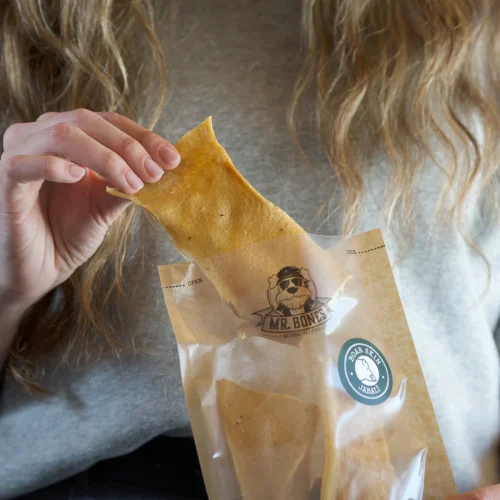
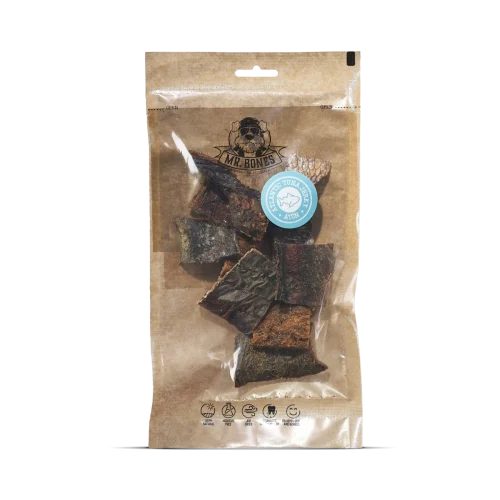
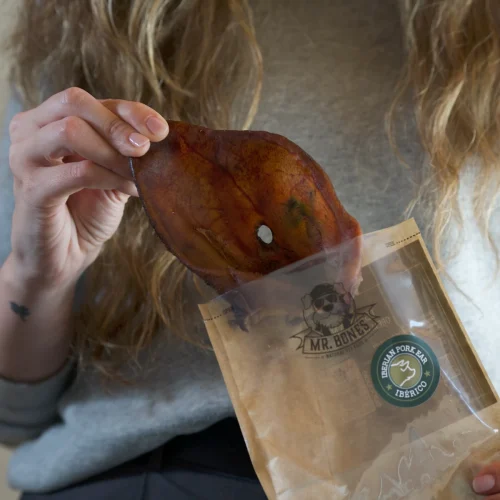
All our snacks are made from meat, fish or skin that has been dried at a low temperature, with no grains or additives. What varies from one to the next is the hardness: how much effort it will take your dog to eat it and how long it will last.

Low hardness

To start with, for older dogs or those with sensitive teeth. They crumble easily.

See these

Low-medium hardness

Calm chewers and small dogs. A daily treat, without it being a challenge.

See these

Medium hardness

If you don’t know where to start, try this. Almost any dog will take it.

See these

Medium-high hardness

Persistent dogs who get bored with easy games and are looking for a longer challenge.

See these

High hardness

Powerful jaws and long sessions. The ones that last the longest, antlers and all.

See these
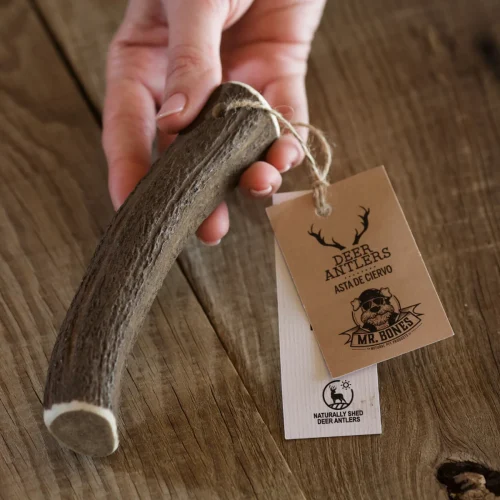
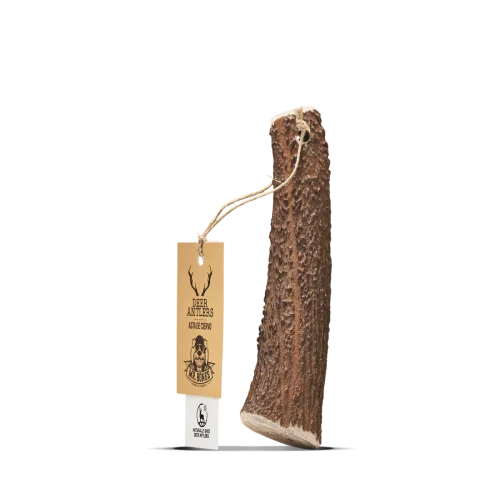
See all natural snacks

Made of Extremadura

How we make our snacks

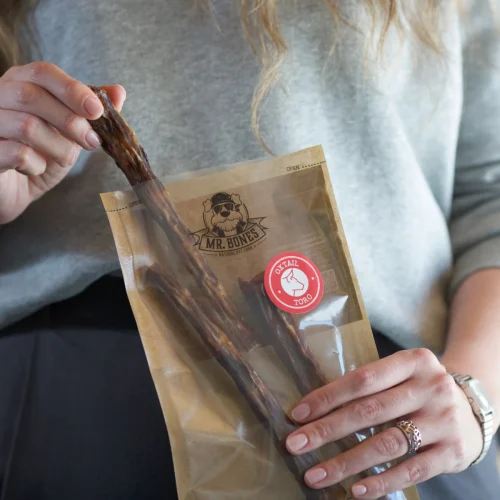
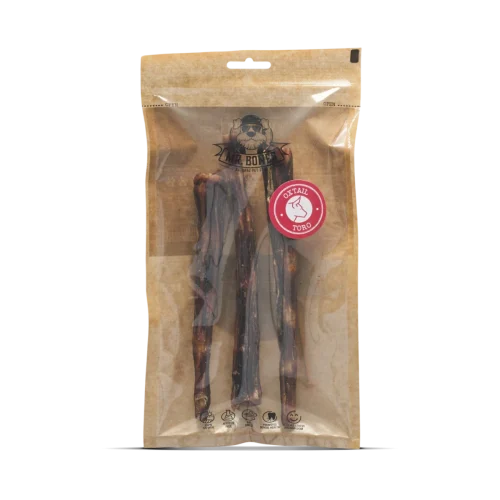
Just one ingredient – nothing else. Meat, fish, skin or tendons dehydrated at a low temperature – a slow process that removes the water without actually cooking the product, so it retains the nutrients and the scent your dog really loves.

They contain no cereals, no sugars, no preservatives and no colourings. There’s no need for them: as there’s no moisture left, the drying process itself is what preserves them. That’s why they can be stored at room temperature and why the list of ingredients for any of our snacks fits on a single line.

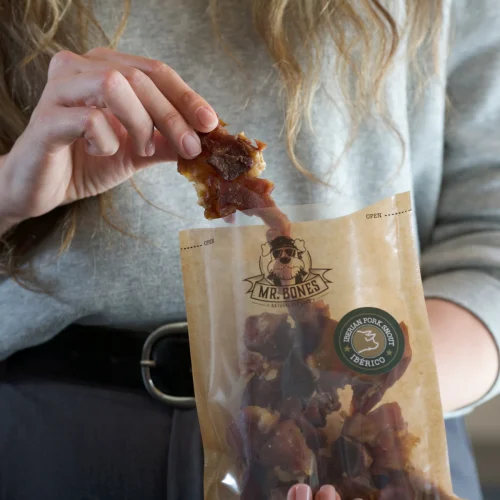
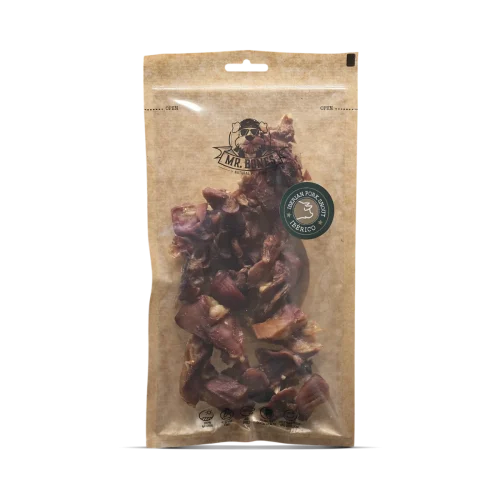
They are all single-protein products, because they are simply the product itself and nothing else, which is helpful when you suspect you might have an intolerance and want to rule things out. And apart from the fish, everything else is locally sourced: the Iberian pork comes from the pastures of Extremadura.
Why your dog needs to chew

Chewing is not a whim, nor is it merely a treat. It is one of the behaviours a dog needs most, and one it has the least opportunity to engage in when living in a flat.

It cleans their teeth through friction, which is the most natural way to remove tartar. It helps them wind down: chewing for a good while calms a nervous dog better than almost anything else. And it keeps them occupied, which is exactly what a bored dog needs – otherwise the sofa ends up paying the price.

That’s why what matters isn’t which one they like best, but how long it lasts. A dog that needs to let off steam wants a chew toy that will last; an older dog, or one that’s just starting out, needs something soft that they can chew through. That’s the whole idea behind the guide to hardness.

Frequently asked questions about natural snacks

Do natural snacks crumble?

Dehydrated meat, skin and fish snacks do not splinter in the same way as a cooked bone, which is something you should never give your dog. Even so, any snack should only be given whilst the dog is being supervised, and should be taken away when the piece is so small that the dog could swallow it whole.

From what age can I give them to my child?

Once the milk teeth have fallen out, at around six months, always starting with the lower teeth. For younger puppies, or if your dog has any dental problems, check with your vet first.

How many snacks can you have each week?

As a guide, treats should not exceed 10% of their daily food intake. For an average dog, that amounts to two or three treats a week; if they are very hard and last a long time, one is enough. Adjust their daily ration on the days they have a treat.

Do natural snacks make you put on weight?

They are a dehydrated product containing no grains, sugars or flours, so they provide fewer calories than their size might suggest. What makes you put on weight is adding them to your daily intake rather than deducting them from it.

Can my cat eat them?

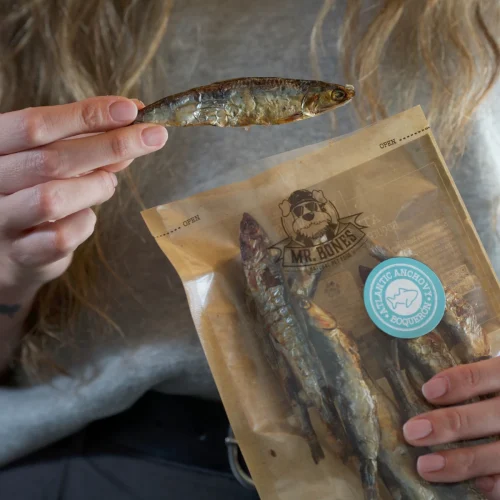
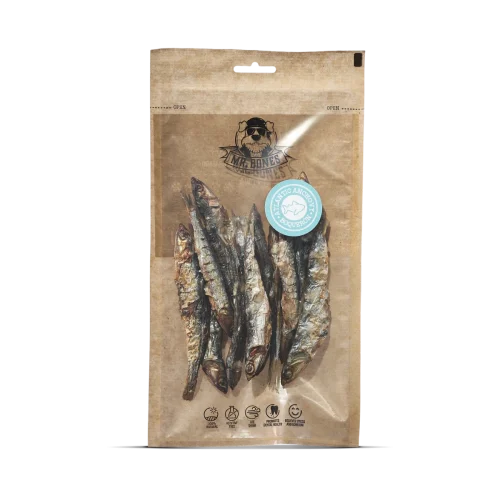
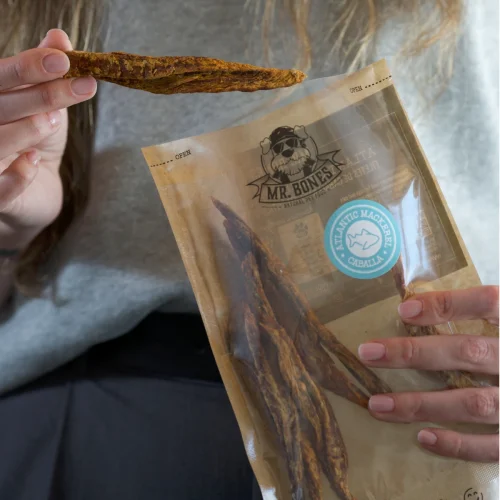
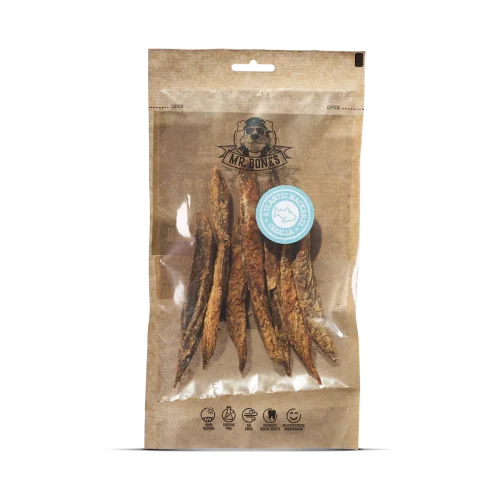
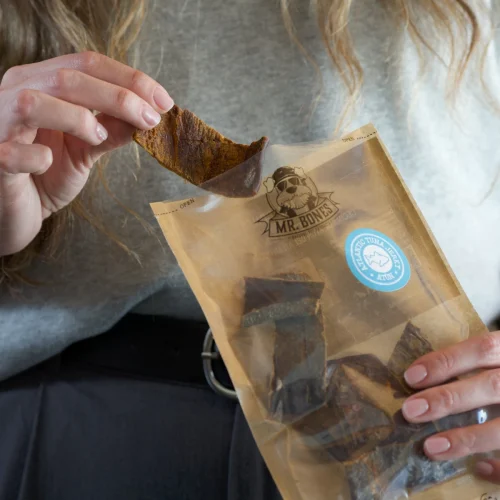
Some do. Anchovies, dried tuna and mackerel fillets work well for cats because of their texture and size. Medium- or high-hardness chew toys are designed for dogs.

How should dehydrated snacks be stored?

Store in a dry place at room temperature, in their sealed bag. As they are dehydrated, they do not need to be kept cool. If the environment is very humid, an airtight container will extend their shelf life.